
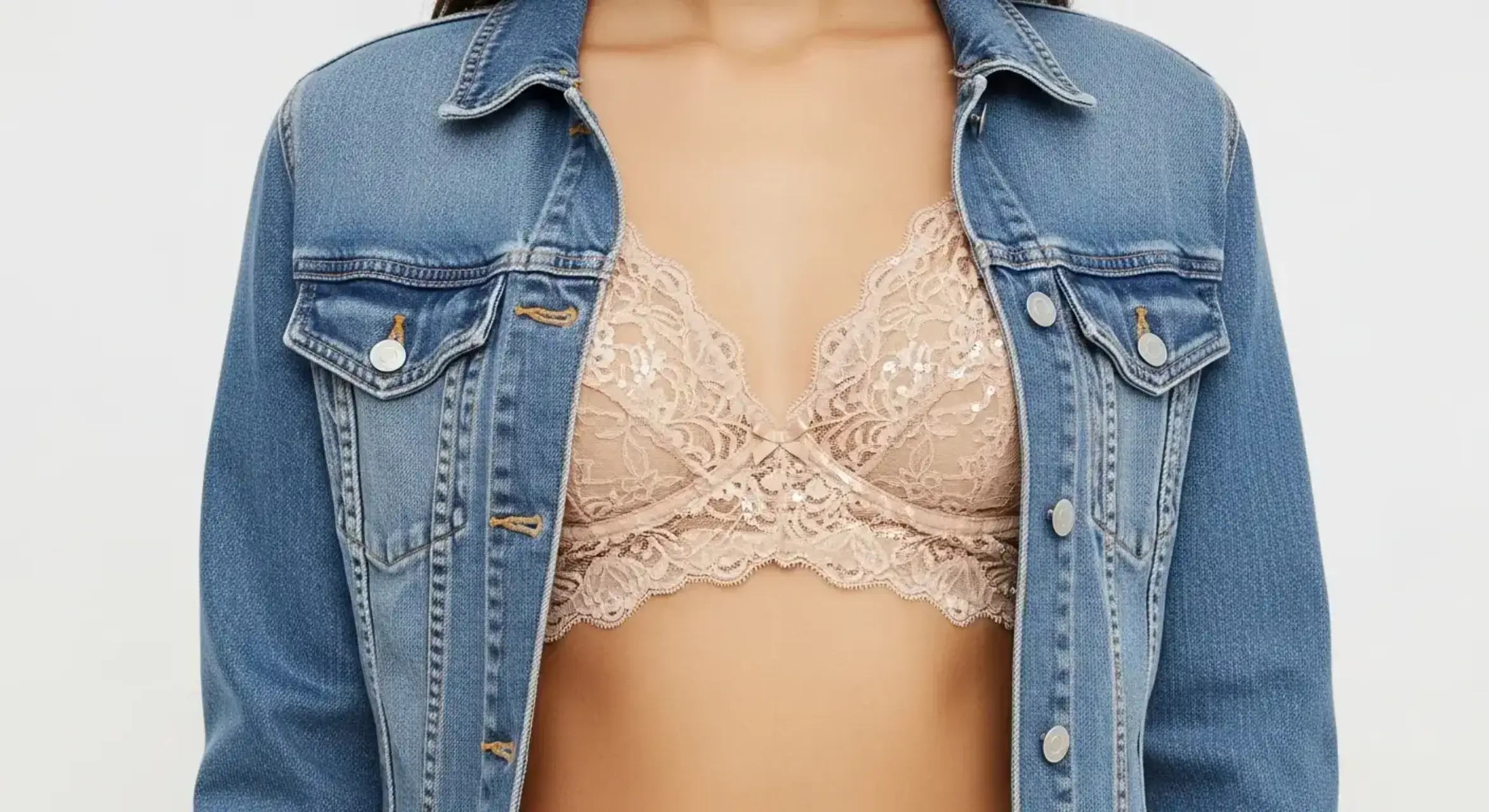
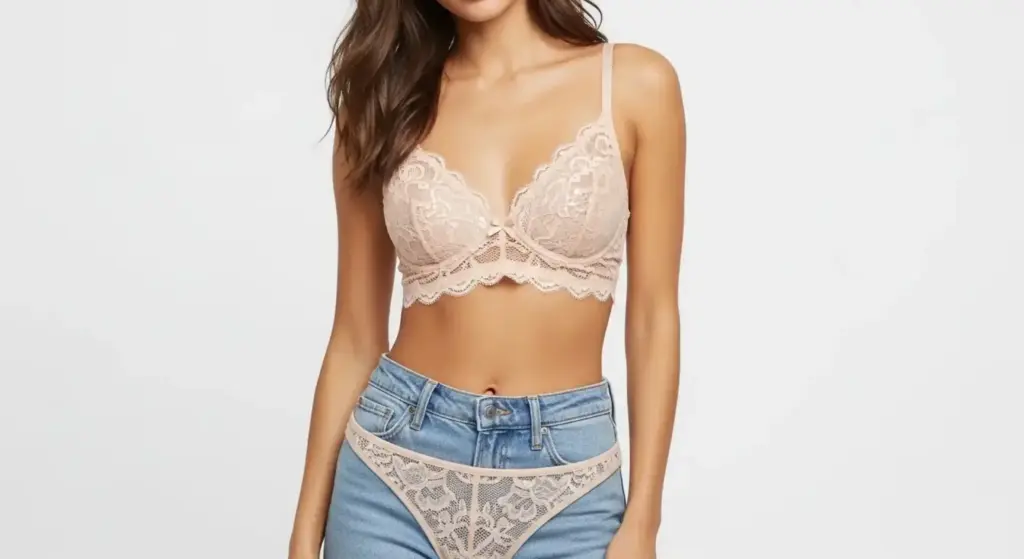
The lingerie world is once again in the spotlight as embellished, skin-tone elegance makes a strong return. Among the pieces gaining quiet but growing attention is the Ollie & Odalis Nude Sequin Lace Set, a design that blends delicate lace craftsmanship with subtle sequin detailing to create a refined yet striking aesthetic.
What makes this set particularly interesting is not just its design, but how it reflects broader shifts in the US fashion market—where comfort, luxury, and expressive styling are increasingly merging into everyday wear.
A Quiet Trend Turning Heads in Fashion Circles
The nude sequin lace set has emerged as part of a larger movement toward “barely-there luxury” in lingerie design. Instead of bold colors or overt branding, consumers are gravitating toward softer palettes, intricate textures, and pieces that feel both intimate and elevated.
Fashion insiders note that nude-toned lingerie, once considered purely functional or invisible under clothing, is now being reimagined as a statement of confidence. The addition of sequins and lace detailing elevates the garment from basic undergarment to a fashion-forward piece designed to be seen—whether privately or styled as part of layered outfits.
Retail analysts say this shift is especially visible among younger consumers in the US, who increasingly prioritize self-expression and comfort over traditional notions of lingerie.
Why the US Market Matters
The United States remains one of the most influential lingerie markets globally, driven by strong retail demand, online fashion platforms, and celebrity-driven trends. For international designers and brands, success in the US often signals global relevance.
However, entering or expanding in this market comes with challenges. Supply chain costs, shifting consumer expectations, and import regulations all play a role in shaping final retail prices. For fashion pieces like embellished lace sets, production often involves multiple countries—lace from Europe or Asia, assembly in manufacturing hubs, and distribution through US-based retailers.
This global production chain makes pricing sensitive to economic shifts, particularly tariffs and trade policy changes.
Tariffs and Their Ripple Effect on Fashion Pricing
While lingerie may seem far removed from global trade discussions, it is directly impacted by tariffs on textiles and imported garments. When tariffs rise, import costs increase for brands that rely on overseas manufacturing. These additional costs are often passed down the supply chain, ultimately affecting retail prices for consumers.
For smaller independent designers or boutique lingerie brands, these pressures can be even more significant. Unlike large corporations, they may not have the scale to absorb rising costs, which can limit production or push retail prices higher.
In practical terms, a delicately crafted set like the nude sequin lace design could become more expensive in the US market if import costs rise, even if consumer demand remains strong.
Impact on Small Fashion Producers and Jobs
Beyond pricing, tariffs and trade dynamics can also influence employment within the fashion ecosystem. Small manufacturing partners, often located in specialized textile regions, depend heavily on consistent international orders. When demand fluctuates due to pricing changes or import restrictions, production schedules can become unstable.
This can affect not only factory workers but also designers, logistics teams, and retail staff tied to seasonal collections. In contrast, when demand is strong and trade conditions are stable, these same networks benefit from increased hiring and production growth.
For niche lingerie designers, including those producing intricate lace sets, maintaining stability in supply chains is essential to sustaining craftsmanship-focused jobs.
What It Means for Consumers
For shoppers, the appeal of pieces like the nude sequin lace set goes beyond aesthetics. It represents a broader shift toward intentional fashion—where consumers are willing to invest in garments that feel personal, expressive, and carefully made.
However, pricing sensitivity remains a key factor. Even small increases in production or import costs can influence buying decisions, especially in competitive online fashion spaces where alternatives are widely available.
As a result, brands are increasingly balancing creativity with cost efficiency, seeking materials and production methods that preserve design quality without significantly increasing retail prices.
A Forward-Looking Industry Shift
The lingerie industry is entering a phase where design innovation and global economics are tightly interconnected. Pieces like the Ollie & Odalis nude sequin lace set highlight how even intimate fashion items are shaped by larger forces—from consumer behavior shifts in the US to international trade dynamics.
Looking ahead, analysts expect continued growth in demand for embellished minimalist lingerie styles, especially those that blend comfort with subtle luxury. At the same time, brands will need to navigate evolving trade conditions and rising production costs carefully.
What remains clear is that lingerie is no longer just about function—it is becoming a reflection of personal identity, global craftsmanship, and an increasingly connected fashion economy.
#OllieAndOdalis #NudeSequinLaceSet #LingerieTrends2026 #LuxuryLingerie #FashionTrends #USFashionMarket #LingerieStyle #SequinLace #IntimateWear #ModernLingerie #FashionNews #StyleUpdate #BoutiqueFashion #LuxuryStyle #TrendingNow